




















- How a Government Shutdown 2025 Supercharges Trump’s Power
- Government Shutdown 2025: Who Really Decides What Stays Open? Spoiler: It’s Not Congress
- Trump’s Shutdown Toolbox: Executive Orders and Spending Powers
- Who Gets Screwed? Federal Employees and Agency Shake-Ups
- The Political Cage Match: Republicans, Democrats, and Government Shutdown 2025 Drama
- What Happens Next After Government Shutdown 2025? MAGA Predictions and Power Moves
- Frequently Asked Questions
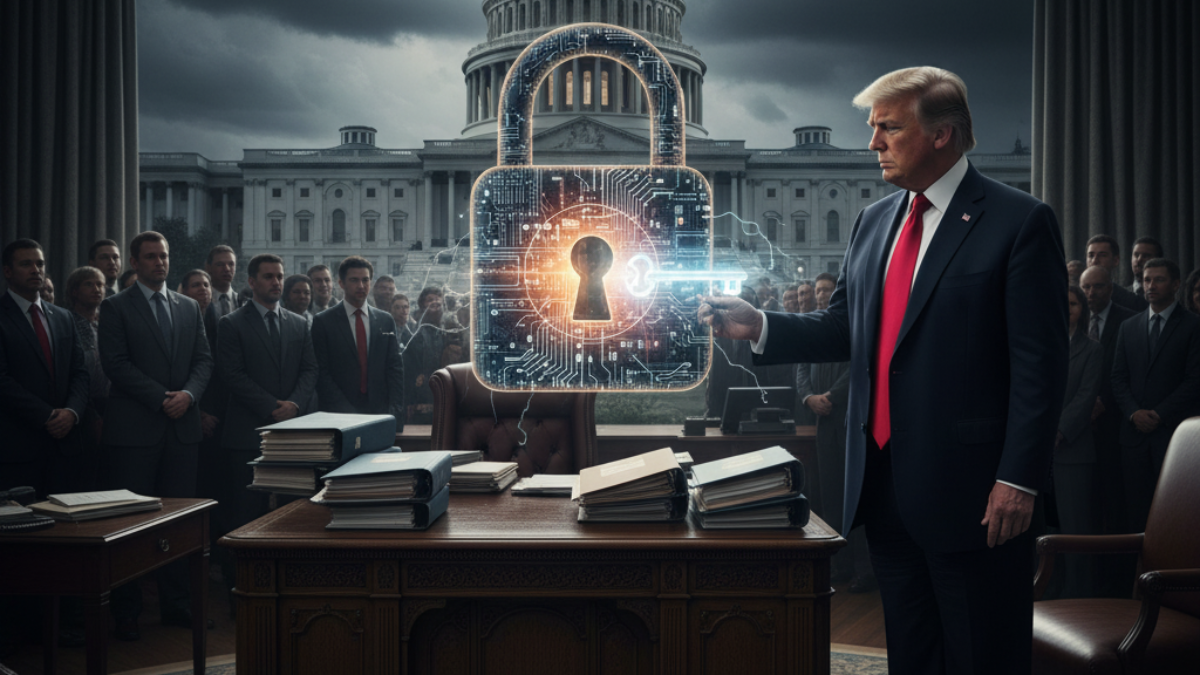
Think a government shutdown just means bureaucrats get a paid vacation? Nah, it’s way messier than that. As we look ahead, the implications of a Government Shutdown 2025 could be even more significant. When Congress locks up the checkbook, the White House suddenly grabs the wheel and decides who’s working, who’s not, and which parts of government get to keep the lights on.
A shutdown hands Trump extra power because he and his crew pick which services keep running and which ones get iced until Congress caves. I’ve watched this circus before, and trust me, it’s not about saving money—it’s about flexing muscle.
Trump doesn’t need Congress to bless every move during a Government Shutdown 2025. He can label certain workers “essential,” keep his favorites funded, and let the rest twist in the wind.
If you think Democrats love that setup, you’re probably smoking something stronger than what’s legal in most states. This isn’t just about paychecks for federal workers or whether national parks stay open.
It’s about Trump using the shutdown as a political hammer. He’s already shown he’ll cut agencies, freeze programs, and push his agenda without waiting around for permission.
The Key Takeaways
- A shutdown shifts control from Congress to Trump’s White House
- Trump can decide which agencies and workers stay active
- Shutdowns double as political battles with real winners and losers
How a Government Shutdown 2025 Supercharges Trump’s Power
When the federal government shuts down, the spotlight slams onto the executive branch. The president suddenly gets way more room to decide who stays working, what gets funded, and what gets tossed in the trash pile.
That means Trump, not Congress, ends up driving the bus when Washington goes dark. Let’s get real—when Congress can’t pass a budget, the executive branch steps in and plays referee.
Executive Branch Control During a Government Shutdown 2025
Agencies don’t just shut their doors; they wait for marching orders from the White House. Trump, through the Office of Management and Budget (OMB), picks which workers are “essential” and which ones get furloughed.
It’s not just about paychecks. It’s about leverage.
Imagine you’re a federal worker stuck at home without pay while Trump decides who gets called back in. That’s raw power—he can prioritize border enforcement, keep the military rolling, and let bureaucrats at the EPA sweat it out.
Trump’s already shown he’s not afraid to swing the axe. Agencies like the Consumer Financial Protection Bureau got gutted under his watch.
A shutdown gives him even more cover to shrink the federal workforce without passing a single new law. Now, some folks love to scream “dictator” when a president flexes during a shutdown.
What the Constitution Actually Says
The Constitution is pretty clear: Congress controls the purse strings. No money gets spent without their approval.
The catch? The Constitution doesn’t spell out every detail of how a shutdown plays out. That gray area is where Trump thrives.
Past shutdowns have been guided more by tradition than strict law. The Antideficiency Act says the government can’t spend what it doesn’t have, but it doesn’t micromanage who gets furloughed or which services stay open.
So while Congress technically holds the wallet, Trump can decide how to ration what’s left. Think of it like Mom hiding the credit card, but Dad still deciding whether the lights stay on or the fridge gets stocked.
Government Shutdown 2025: Why the White House Calls the Shots
Here’s the kicker: during a shutdown, the White House has final say on what’s “essential.” That word is vague as hell, and Trump can stretch it like a pair of Walmart sweatpants.
Want border patrol working? Done. Want national parks open but running on fumes? Also done.
In 2018, Trump kept parks open with entrance fees, even though watchdogs later said it broke the law. Did he care? Nope.
Because when the government’s closed, the president’s interpretation is what matters in the moment. Courts might fight later, but Trump gets the first move.
So yeah, Congress can bicker all day, but when the lights go off in D.C., the White House decides who gets screwed and who keeps rolling. And if you think Trump won’t use that to flex on his enemies, I’ve got a Hunter Biden art piece to sell you.

Government Shutdown 2025: Who Really Decides What Stays Open? Spoiler: It’s Not Congress
When the government shuts down, Congress loves to act like they’re the ones pulling the strings. That’s cute, but honestly, it’s not true.
The real power players sit in the executive branch, and they’re the ones who decide which lights stay on and which doors get locked.
The Role of the White House Office of Management and Budget
Let me break it down: the White House Office of Management and Budget (OMB) is basically the bouncer at the club called “Government.” Congress can fight over the playlist all day, but OMB decides who gets in and who’s left standing outside in the rain.
They issue the official shutdown guidance. That means they tell federal agencies which employees are “essential” and which ones can go watch Netflix at home without pay.
Military? Essential. TSA? Essential. National parks? Sorry, go take a hike—literally.
Congress writes the checks, but if the checks don’t clear, OMB calls the shots. And when Trump’s in charge, you better believe OMB gets their marching orders straight from the Oval Office, not from some whiny senator crying on CNN.
If you’re wondering who actually decides what stays open, it’s not Nancy Pelosi or Chuck Schumer. It’s the nerds at OMB with spreadsheets, calculators, and a direct line to the president.
DOGE, Elon Musk, and the Shutdown Circus
Now let’s talk about the circus. Every shutdown turns into a media frenzy, and somehow Elon Musk always finds a way to insert himself into the conversation.
Dude could be launching rockets, selling flamethrowers, or tweeting about Dogecoin while Congress melts down. It’s ridiculous, but also kind of perfect.
While Democrats scream about “chaos,” Musk is out here memeing the shutdown with a Shiba Inu dog holding a “Closed for Business” sign. And honestly, I’d rather get my news from Elon’s Twitter feed than from MSNBC.
The Department of Government Efficiency (DOGE)—yes, that’s a real acronym—sounds like something Musk would troll. Imagine him buying it, slapping a Doge logo on the front, and saying, “Much efficiency. Very budget. Wow.”
At this point, it’d probably run better than half the agencies in D.C. anyway. Shutdowns are political theater, and the media eats it up.
But when you zoom out, it’s just another episode of “Congress pretends to be important while the executive branch actually makes the calls.”
Congress vs. Trump: The Budget Smackdown
This is where the rubber meets the road. Congress, both House and Senate, can’t stop fighting long enough to pass a budget.
Democrats want more spending, Republicans want cuts, and nothing gets done. So the government shuts down.
But here’s the twist: once the shutdown hits, Trump actually gains leverage. Why? Because the president controls OMB, and OMB controls the shutdown playbook.
That means Trump decides which pain points hit hardest. He can keep border security running while letting agencies Democrats love take the hit.
Think of it like a WWE smackdown. Congress talks a big game, but once the bell rings, Trump’s the one landing body slams.
He doesn’t need their permission to decide what’s “essential.” He just needs OMB to send out the memo.
So while Congress argues on C-SPAN, Trump’s holding the cards. And if you think he won’t use that power to make Democrats sweat, you haven’t been paying attention.
Trump’s Shutdown Toolbox: Executive Orders and Spending Powers
When the government runs out of cash, the president doesn’t just sit around watching C-SPAN reruns. He’s got a set of tools that can either trim fat, swing a hammer, or just kick the mess down the road.
Think of it like Trump’s own political Home Depot aisle—except the nails are taxpayer dollars and the hammer is executive power.
Rescissions: Cutting the Fat or Gutting the Government?
Rescissions are basically Trump’s way of saying, “Nah, you don’t need that money.” It’s a budget tool that lets him send a request to Congress to cancel funds that were already approved.
If Congress ignores it for 45 days, the money comes back. But during a shutdown, the delay gives Trump plenty of time to flex.
Past presidents used rescissions like a scalpel. Trump uses them like a chainsaw.
He’s already shown he’ll slash programs he thinks are bloated, like certain foreign aid or woke pet projects buried in spending bills. Critics scream that it’s “gutting the government.”
I call it trimming the fat. If you’ve ever looked at a federal budget, you know it’s like your drunk uncle’s Amazon cart—half of it is junk nobody needs.
Quick breakdown:
- Pro: Cuts wasteful spending, pressures Congress.
- Con: Creates chaos in agencies, sparks lawsuits.
- Reality: Trump loves chaos. Lawsuits don’t scare him.
Executive Orders: The MAGA Magic Wand
Executive orders are Trump’s favorite party trick. He can’t rewrite laws, but he can tell agencies how to use their money, who to furlough, and what gets labeled “essential.”
That’s a big deal in a shutdown because “essential” can mean the difference between you getting your Social Security check or waiting in line like it’s Black Friday.
Remember when Obama shut down national parks in 2013? Trump flipped the script in 2018 and kept them open, even if the bathrooms looked like a frat house after homecoming.
That’s the power of executive orders—he decides what stays lit and what gets iced. The left calls it abuse of power. I call it being the boss.
If you win the presidency, you get the pen. Simple as that.
Continuing Resolutions and Stopgaps: Kicking the Can
Here’s the dirty little secret: Congress almost never passes a real budget anymore. They just pass a “continuing resolution” (CR), which is a fancy way of saying stopgap funding.
It’s like paying the minimum on your credit card—keeps the lights on but solves nothing. Trump can use the threat of vetoing a CR to squeeze lawmakers.
That’s leverage. If Democrats want their pet healthcare subsidies, they have to deal with Trump’s priorities during the government shutdown 2025—whether that’s defense spending, immigration enforcement, or cutting agencies he thinks are dead weight.
Is it messy? Hell yes. But CRs are the duct tape of Washington.
They don’t fix the hole, they just keep the roof from caving in. And Trump knows how to use that duct tape like a pro contractor with a grudge.
Who Gets Screwed? Federal Employees and Agency Shake-Ups
When the government grinds to a halt, the first people to feel it aren’t politicians in D.C. It’s the workers who keep agencies running, and the agencies themselves that get gutted, shuffled, or straight-up axed.
Paychecks stop, offices close, and everyone suddenly remembers how fragile their “job security” really is.
Furloughs, Firings, and the DOGE Massacre
Let’s get real—shutdowns are a paycheck nightmare for federal employees. Some folks get furloughed and told to chill at home with no pay.
Others get slapped with “essential” status, so they keep working but still don’t see a dime until Congress decides to play nice again. Either way, it’s brutal.
Now, toss in Trump’s Department of Government Efficiency (DOGE) plan. This wasn’t just trimming fat—it was a full-on keto diet for the federal workforce.
Buyout offers, deferred resignations, and mass layoffs hit the table. Thousands of workers either took a payout or got the boot.
The so-called “DOGE massacre” wasn’t just about saving money. It was about cutting out dead weight and forcing agencies to run leaner.
Whether you loved or hated this Government Shutdown, a lot of career bureaucrats suddenly realized they weren’t untouchable anymore. That’s a wake-up call nobody wants to get on a Monday morning.
Which Federal Agencies Are on the Chopping Block?
Not every agency gets hit the same way. Some, like the Department of Defense, usually skate by because nobody wants to gut the military.
But places like the EPA, Education Department, and parts of Health and Human Services? They’re always first in line for the chopping block.
Trump’s playbook was pretty clear: shrink the government, slash budgets, and cut staff. Agencies bloated with paper-pushers became prime targets.
The Office of Personnel Management dangled buyouts to push people out the door before firings had to happen. If you worked at a “woke” agency pushing climate change stuff or DEI programs, you were basically wearing a bullseye.
Meanwhile, agencies tied to national security or law enforcement had a much safer cushion. Shutdown or not, the message was obvious—some agencies matter, others don’t.
Lawsuits, Layoffs, and the Fallout
When you start firing people left and right, lawyers smell blood. Unions and advocacy groups rushed to court, claiming illegal firings and unfair labor practices.
Some lawsuits stuck, others fizzled, but the chaos kept agencies frozen in limbo. Federal employees who didn’t get canned still got slammed with uncertainty.
Imagine showing up to work during the government shutdown 2025, not knowing if your agency is next or if your paycheck will arrive. Morale tanked, and productivity went with it.
The layoffs also sparked a ripple effect. Local economies around D.C. and other federal hubs took hits when thousands of workers stopped spending.
Restaurants, shops, and even landlords felt the squeeze. The swamp wasn’t just drained—it was economically starved, and for once, the bureaucrats weren’t the only ones feeling the pain.
The Political Cage Match: Republicans, Democrats, and Government Shutdown 2025 Drama
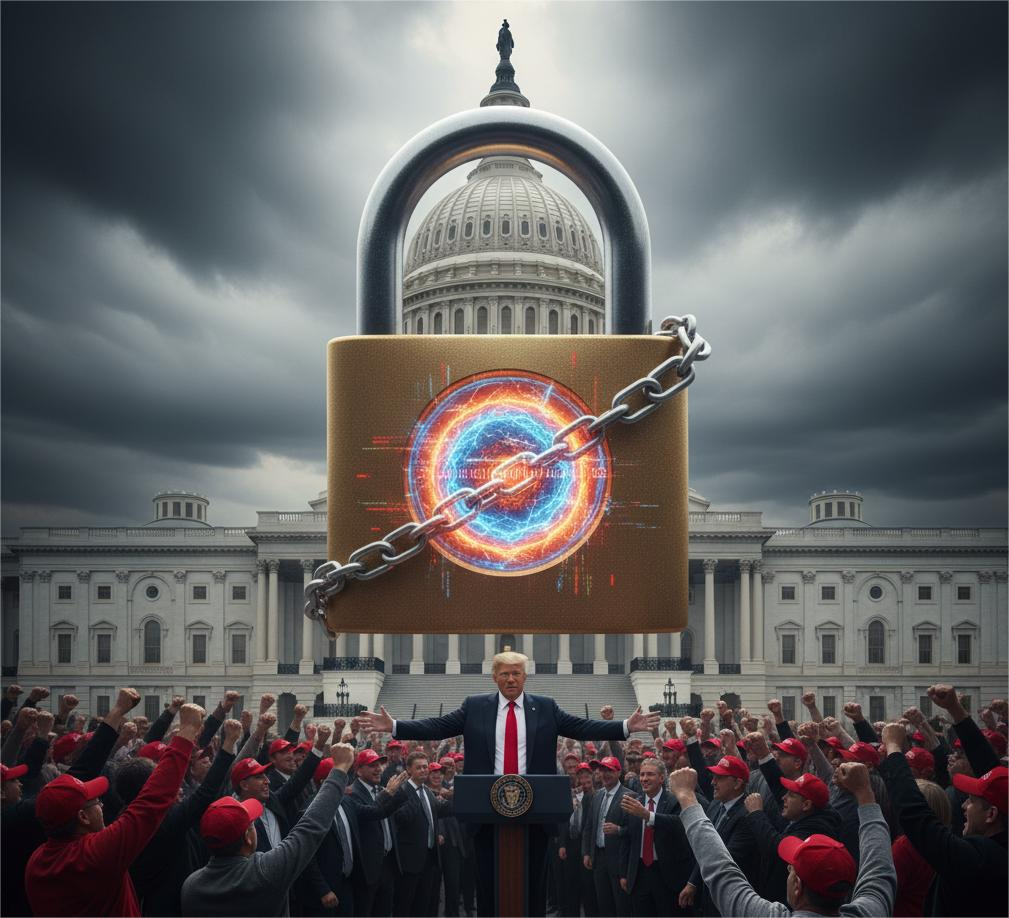
Every time the government runs out of money, it turns into a WWE Royal Rumble. The House throws elbows, the Senate pretends to be the “adults in the room,” and both parties race to blame the other for locking the doors.
Meanwhile, regular Americans just want to know if their tax refund or TSA line is about to get screwed. Nobody’s got time for political theater when rent’s due.
House Appropriations Committee: Tom Cole’s Power Play
Tom Cole, the Republican chair of the House Appropriations Committee, is basically the guy holding the checkbook at the bar. If he says no, the drinks stop flowing.
Cole’s been pushing stopgap bills to keep the lights on, but Democrats act like he’s trying to swipe their Netflix password. The committee is where the sausage gets made—or in this case, where the shutdown sausage gets burned.
Republicans want cuts, Democrats want spending, and Cole is stuck refereeing a food fight with taxpayer cash. Here’s the kicker: Cole knows the House is the only chamber that can actually start funding bills.
That gives him leverage. He’s using it to push conservative priorities while daring Democrats to tank the government and own the fallout.
Translation: Cole’s power move is less about compromise and more about forcing Democrats to admit they’re addicted to overspending.
Democrats Cry Foul, Republicans Double Down
Democrats are already screaming that Republicans are holding the government hostage like it’s an episode of Narcos. Chuck Schumer and the Senate Dems love to warn about “chaos” every five minutes, but let’s be real—shutdown panic is their best fundraising tool.
Republicans, on the other hand, are leaning into it. They’re saying, “Fine, let it shut down. We’ll still get paid, and essential workers will keep working.” That’s not cruelty—it’s strategy. If Trump and House Republicans can frame the government shutdown 2025 as Democrats protecting bloated agencies, it’s a win.
The left’s favorite line is “Republicans are playing politics with people’s lives.” But what they don’t admit is that they’re also playing politics with your wallet.
Every time they block cuts, they’re betting voters won’t notice the tab piling up. That’s a bold bet, honestly.
Senate Showdowns and Bipartisan Brawls
The Senate is where the drama turns into a soap opera. You’ve got 100 egos stuffed into one chamber, and thanks to the filibuster, nothing moves without at least 60 votes.
That means Republicans need a few Democrats to cross over, and Democrats love pretending they’re the gatekeepers of democracy. Schumer is out here flexing like he’s the bouncer at the club, saying no bill gets past him unless it kneecaps Trump.
Meanwhile, Senate Republicans are daring Dems to actually block funding and then explain to voters why Grandma’s Social Security check is late. It’s a high-stakes game of chicken.
If the Senate stalls, Trump gets more control over what stays open and what shuts down. And honestly, during the government shutdown 2025, that’s the nightmare scenario for Democrats—because the more power Trump has, the more he can expose just how useless half these agencies really are.
Bottom line: the Senate loves the spotlight of Government Shutdown 2025, but it’s the White House that decides who gets sent home and who stays “essential.” And if Trump’s calling the shots, you better believe he’s gonna make it hurt for the swamp.
What Happens Next After Government Shutdown 2025? MAGA Predictions and Power Moves
When the federal government shuts down, it’s not just about parks closing and TSA agents getting cranky. It’s about who grabs the steering wheel—Congress trying to flex, or President Trump making moves to prove he’s still the alpha in the room.
The real fight is about power, not paperwork. Shutdowns are like hitting the pause button on the swamp.
@msnbc The federal government is just hours away from shutting down if the Senate does not pass a Republican funding bill ahead of Friday night's deadline. MSNBC's @Symone Sanders Townsend explains what typically happens during a government shutdown. #government #shutdown #politics #congress #news #trump ♬ original sound – MSNBC
How Shutdowns Could Reshape the Federal Government
Agencies go dark, “non-essential” workers chill at home, and suddenly the federal government looks a lot smaller. That’s exactly the kind of visual Trump fans love—proof that D.C. doesn’t need 2 million bureaucrats babysitting us.
But here’s the kicker: Trump can use this chaos to push his agenda harder. If Congress can’t get its act together, he looks like the guy willing to bulldoze through the mess.
Think immigration crackdowns, military spending, and even executive orders that bypass the usual red tape. I’m not saying Trump gets unlimited power, but a Government Shutdown 2025 gives him leverage.
He can frame it like this: “I’m fighting for America, Congress is fighting to keep their cocktail parties funded.” That’s a political W every time.
Key takeaway: the shutdown doesn’t just freeze government—it lets Trump show what a leaner, meaner federal machine could look like.
Government Shutdown 2025: Long-Term Impact on U.S. Politics
The long game here is way bigger than just one budget fight. Government Shutdown 2025 test loyalty inside Congress.
We’ve already seen some Republicans break ranks when Trump pushed too hard. That’s the real drama—who’s MAGA ride-or-die, and who’s secretly sipping soy lattes with the Democrats?
If shutdowns keep happening, voters will see two clear camps: Trump and his populist army versus the establishment clowns who can’t balance a checkbook.
That division could reshape the GOP for years. And let’s be real—MAGA activists want Trump to use every tool in the box.
They’re not begging for compromise; they’re begging for fireworks. Shutdowns give him that stage. Cheers, VICESNOB enjoy the the proverbial sh*t show.
Frequently Asked Questions
When the U.S. government shuts down, Congress has failed to pass a budget or stopgap funding bill. This means federal agencies can’t access the money they need to operate. “Non-essential” government functions pause—national parks close, many federal employees are furloughed without pay, and public services slow down. Meanwhile, “essential” services (like military, border security, and air traffic control) keep running, often without immediate pay. The executive branch, especially the president, gains more control over what stays open.
As of now, Congress has not passed a full federal budget for 2025. Instead, it has been relying on continuing resolutions (CRs)—short-term funding patches that temporarily keep the government running. If these CRs expire without a longer-term agreement, a government shutdown becomes likely. The budget debate has become a yearly political standoff, with each party using funding negotiations to push its priorities.
The government faces shutdown threats nearly every year due to deep partisan gridlock in Congress. Republicans and Democrats often disagree on spending priorities—whether it’s military funding, social programs, or cuts to federal agencies. Instead of passing a full budget on time, lawmakers stall, argue, and use shutdown threats as political leverage. It’s no longer just about budgeting—it’s a high-stakes game of political brinkmanship that happens almost annually now.