

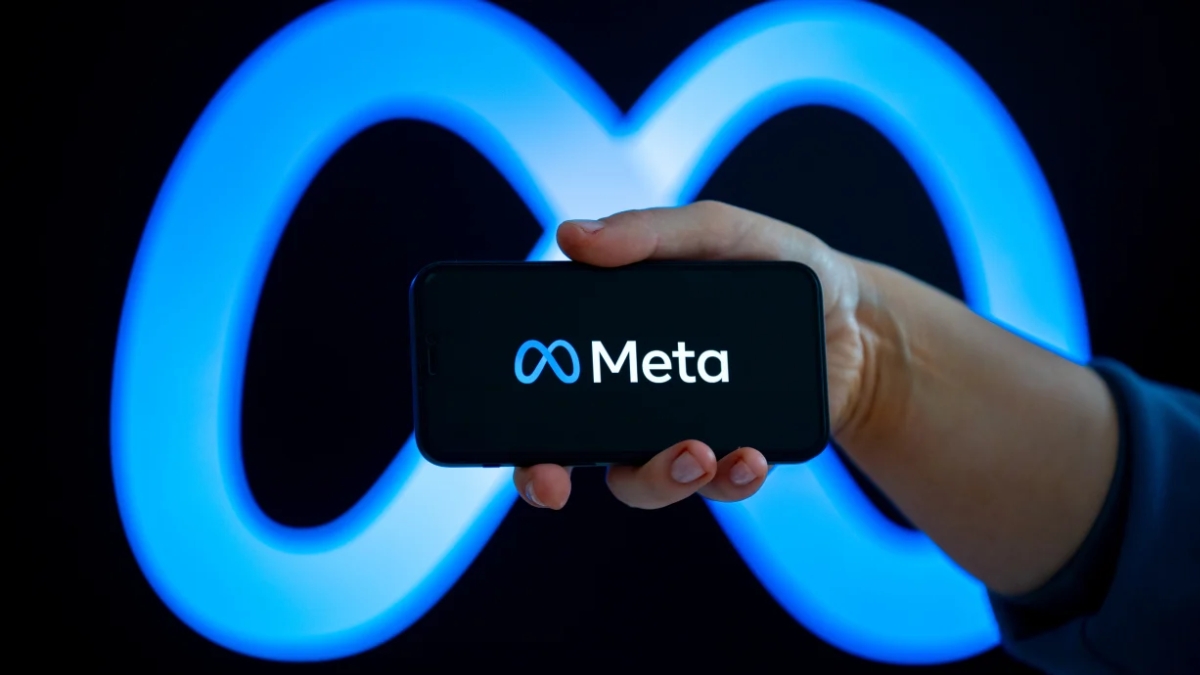
Yes. A federal judge ruled on June 11, 2026 that Meta must face a $359 million copyright lawsuit. This came after adult entertainment firm Strike 3 Holdings presented evidence that Meta’s corporate IP addresses were used to download 2,396 copyrighted adult films between 2018 and 2025. These downloads totaled 6,008 individual downloads in patterns a judge described as inconsistent with human behavior. This major case brings up important questions about Meta AI adult content copyright issues.
Key Takeaways:
- US District Judge Eumi K. Lee denied Meta’s motion to dismiss, allowing the case to proceed (June 11, 2026, Northern District of California)
- Strike 3 Holdings identified 47 Meta IP addresses used to torrent 2,396 adult videos over seven years (2018–2025). This activity resulted in 6,008 total downloads.
- The plaintiffs are seeking up to $359 million in damages for direct, vicarious, and contributory copyright infringement
- Meta’s defense — that rogue employees may have been watching adult content on company time — was rejected by the judge as implausible. This was due to the coordinated download patterns.
- The ruling establishes that downloading copyrighted content alone constitutes infringement, regardless of whether it was used for AI training.
What Exactly Did Meta Allegedly Do?
The lawsuit traces back to July 2025, when Strike 3 Holdings — which owns adult platforms including Blacked — filed a complaint. This came after unsealed internal communications from a separate case revealed Meta’s data collection practices.
Those internal documents showed Meta had extracted more than 81 terabytes of content by scraping Anna’s Archive, a piracy search engine hosting books, television shows, films, and adult material, according to court filings reviewed by 404 Media. Strike 3 Holdings then conducted its own investigation. The company identified 47 of Meta’s corporate IP addresses downloading its copyrighted content.
The download volume tells the story: 2,396 videos, 6,008 individual downloads, spanning seven years of continuous operation from Meta’s corporate networks.
Judge Lee noted that the traffic patterns pointed to automation, not individual employees. The ruling cited evidence that multiple Meta IP addresses downloaded files with matching naming conventions on the same days. For example, on December 15, 2022, different corporate addresses simultaneously torrented files all containing the word “teen” in their filenames, ranging from adult content to animated shows like Teen Titans Go.
“The connection between these files is plain,” the judge wrote.
Why Did the Judge Reject Meta’s Defense?
Meta’s legal team offered two main arguments. First, they claimed the plaintiffs couldn’t prove the downloaded content was actually used for AI training. Second, they suggested the downloads may have been individual employees watching content on company networks during work hours.
Judge Lee dismantled both.
On the rogue employee theory, the judge wrote that the idea of separate employees independently downloading the same categories of files at the same time “strains credulity.” The coordinated naming patterns and simultaneous multi-IP activity pointed to systematic data collection, not individual browsing.
On the AI training question, the judge clarified something that matters enormously for the adult content industry. The intended use is irrelevant. Downloading copyrighted content without authorization is itself an infringement. Whether Meta ultimately fed those files into Llama or any other AI model doesn’t change the legality of the acquisition.
The OnlyFans platform‘s terms explicitly protect creator copyright — but this case shows how vulnerable that content becomes once it exists on the open internet.
What Does This Mean for OnlyFans Creators?
This case has direct implications for every creator who produces original adult content, whether on OnlyFans, Fansly, or any subscription platform.
The core issue is consent. If Meta — a company valued at over $1.4 trillion — allegedly built automated systems to mass-download copyrighted adult content, smaller companies with fewer legal guardrails have likely done the same.
The adult content industry is already dealing with a separate but related problem. A July 2026 investigation by WIRED and cybersecurity firm UpGuard found that OnlyFans creators’ DMCA takedown requests have inadvertently revealed over 2,000 compromised government and university websites across 80 countries. Scammers hijack these .gov and .edu domains to post fake pages promising free OnlyFans content. Then, they redirect visitors to malicious pages.
Since 2011, creators have filed 384,286 takedown requests covering 631,193 URLs on government and education websites alone, according to UpGuard’s analysis of Google’s transparency reports and Harvard’s Lumen Database. The vast majority were filed in the past three years. This surge was driven largely by Estonia-based DMCA enforcement company Rulta.
For top OnlyFans creators earning six and seven figures annually, copyright protection isn’t just about preventing revenue loss from piracy — it’s about preventing their work from being harvested to train AI systems. These AI systems could eventually generate competing synthetic content.
How Could a $359 Million Ruling Reshape AI Training?
If Strike 3 Holdings prevails, this case could set a precedent. This would force AI companies to either license adult content or exclude it entirely from training datasets.
The financial stakes are significant. Meta spent $145 billion on AI development through mid-2026, according to its own disclosures. A $359 million judgment would be a rounding error on that investment — but the legal precedent would make future data scraping exponentially more expensive.
The broader pattern is clear. Newspapers are suing OpenAI and Microsoft. YouTube creators are challenging Apple. And now the adult content industry has entered the ring with evidence that goes beyond theoretical claims to documented IP addresses and download logs.
For the estimated 5 million active OnlyFans creator accounts worldwide (Instagram, July 2026), this lawsuit validates a concern that’s been circulating in creator communities for years. Big tech companies are treating copyrighted content as free training data.
ViceSnob’s Take
We’ve been covering OnlyFans creator rights since this site launched, and the Meta case is the clearest example yet of why the adult industry needs better legal infrastructure.
Meta’s defense amounted to: “Maybe our employees were just watching adult content at work.” The judge didn’t buy it. The coordinated download patterns, the matching filenames across multiple corporate IP addresses, the seven-year timeline — this wasn’t someone’s lunch break habit. Instead, this was systematic acquisition of copyrighted material.
What strikes us hardest is the scale. Meta allegedly downloaded content from at least 47 corporate IP addresses. That’s not a bug; that’s architecture. And if Meta did it, the question for every OnlyFans creator is: who else is doing it?
The adult content industry has historically been at the forefront of digital rights battles — from early internet payment processing to platform moderation policies. If OnlyFans creators and their studios can establish legal precedent that AI training on copyrighted adult content requires licensing, every content creator on every platform benefits.
As Laura Lux, a veteran OnlyFans creator, told WIRED about a related copyright story: “I guess sex workers save the world again.”
She’s not wrong.
Frequently Asked Questions
Yes, if they can prove their copyrighted content was downloaded or scraped without authorization. The Strike 3 Holdings case demonstrates that plaintiffs need to identify specific IP addresses, download patterns, and copyrighted works to build a viable claim. Individual creators can also file DMCA takedown requests through services like Ceartas, Fanlock, or Rulta, which scan the internet for unauthorized copies of their content. As of July 2026, the legal framework increasingly supports creators’ rights, though individual lawsuits remain expensive.
Strike 3 Holdings and Counterlife Media are seeking up to $359 million in damages. The final amount depends on the trial outcome, but the judge has allowed claims for direct, vicarious, and contributory copyright infringement to proceed. The ruling on June 11, 2026 specifically noted that even the act of downloading copyrighted content — separate from any AI training use — constitutes potential infringement.
OnlyFans’ terms of service prohibit unauthorized downloading and redistribution of creator content. However, the platform’s technical protections can’t prevent all scraping, particularly when content is redistributed to third-party piracy sites. The Meta case and the UpGuard government website research both demonstrate that creator content routinely appears on unauthorized domains despite platform-level protections. Creators are increasingly relying on third-party DMCA enforcement services — with 384,286 takedown requests filed to government and education websites alone since 2011.
No. Meta AI-generated videos are not automatically copyright-free. You must follow Meta’s terms and ensure the content doesn’t infringe on others’ copyrights, trademarks, or intellectual property.
Yes. Meta AI restricts generating or promoting illegal, harmful, explicit, hateful, violent, deceptive, or copyright-infringing content, and content that violates its usage policies.





Leave a comment