




















- What You Need to Know:
- Tom Cruise’s Honorary Oscar Win: The Long-Awaited Tom Cruise Oscar Moment
- Tom Cruise’s Oscars Journey: Nominations, Snubs, and the Road to His Tom Cruise Oscar Win
- What Makes an Honorary Oscar? Understanding the Tom Cruise Oscar Recognition
- Other 2025 Governors Awards Legends: It Wasn’t Just Cruise on That Stage
- Frequently Asked Questions
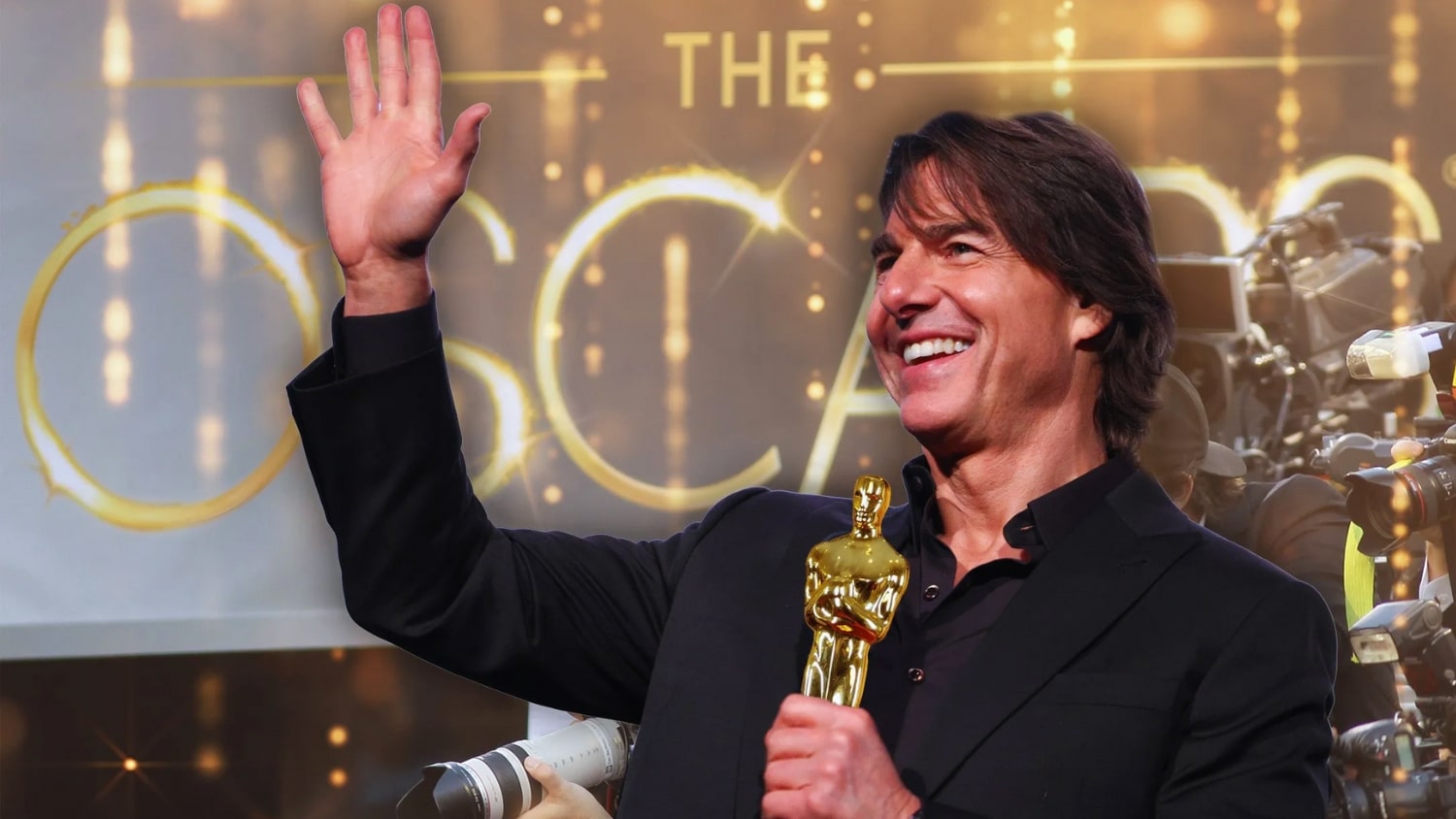
Tom Cruise finally did it—after forty years of running, jumping, and hanging off airplanes, he’s holding an Oscar. Not for a specific movie, but for a lifetime of being Hollywood’s ultimate daredevil and box office machine.
The Academy gave Tom Cruise an Honorary Oscar at the 2025 Governors Awards, recognizing his decades-long impact on cinema. It’s wild that it took this long for a guy who’s basically carried the modern action genre on his back.
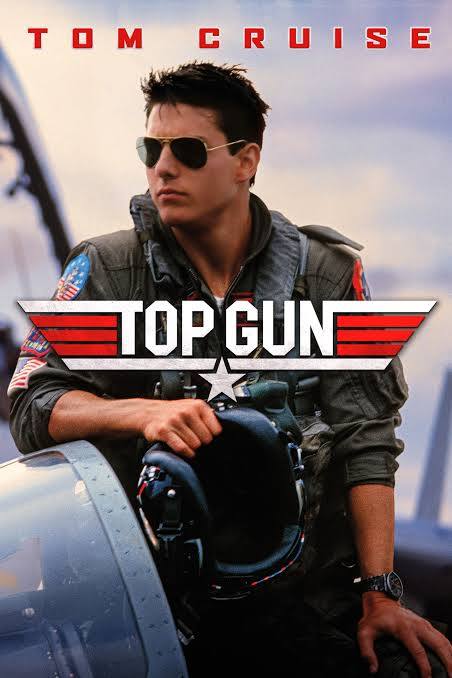
You’ve seen him risk life and limb in Top Gun, Jerry Maguire, Mission: Impossible, and a dozen other blockbusters. He kept the whole industry alive when woke reboots were tanking.
Now, at 63, Cruise finally got his golden statue—minus the forced political speeches. He didn’t just win; he reminded Hollywood who still puts butts in seats.
What You Need to Know:
- Tom Cruise finally earned an Honorary Oscar after decades of blockbuster success.
- The award recognized his huge influence on modern filmmaking and stunt-driven storytelling.
- The 2025 Governors Awards also honored other industry legends for lifetime achievement.
Tom Cruise’s Honorary Oscar Win: The Long-Awaited Tom Cruise Oscar Moment
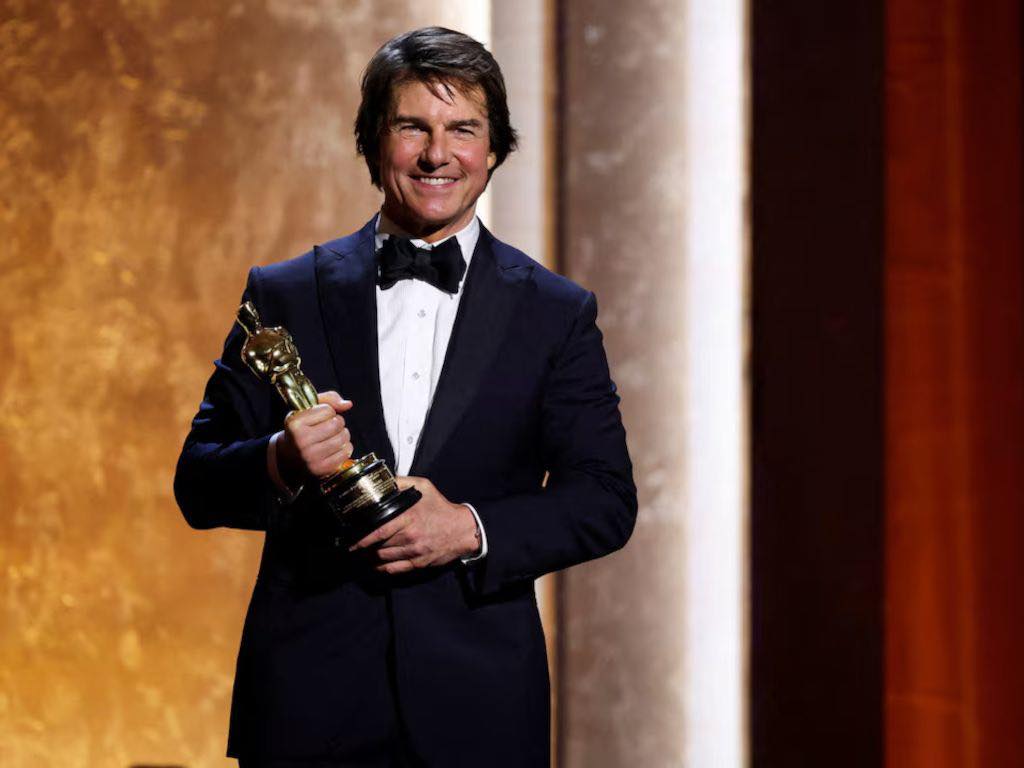
Tom Cruise finally got his golden moment in Hollywood, and it wasn’t for hanging off another airplane. The Mission: Impossible star picked up an honorary Oscar at the 2025 Governors Awards in Los Angeles.
That milestone honored his four-decade stranglehold on blockbuster cinema, global box offices, and high-octane stunts. From filmmaker tributes to standing ovations that wouldn’t quit, the night cemented Cruise’s legacy as one of the last true movie stars.
The 2025 Governors Awards: Not Your Regular Oscars Show
The Governors Awards, run by the Academy’s Board of Governors and led by Academy President Janet Yang, isn’t your usual Oscars circus. No staged musical numbers, no cut-off speeches, no orchestra yanking celebs offstage.
It’s relaxed—Hollywood’s cocktail party with trophies. Held at the Ray Dolby Ballroom in Los Angeles, this year’s ceremony turned the spotlight on Cruise, 63, who finally held the gold statue that had eluded him for decades.
The event traditionally honors lifetime achievement, humanitarian work, and creative impact. Past recipients include giants like Samuel L. Jackson and Angela Bassett.
What made this year’s show stand out was the energy. It wasn’t just about giving a nod to a veteran actor—it was about celebrating a guy who’s kept the movie business alive when everyone else was obsessed with streaming.
Cruise got the industry’s version of a salute from the troops.
Alejandro G. Iñárritu’s Epic Introduction to the Tom Cruise Oscar Tribute
Before Cruise took the mic, filmmaker Alejandro G. Iñárritu—yeah, the Birdman and The Revenant guy—gave an intro that hyped him like a rock star. He praised Cruise as someone who is movies, not just someone who makes them.
You could feel the room nodding along; even the critics who love to dunk on Hollywood’s leading man had to admit—this was his night. Iñárritu didn’t sugarcoat it either.
He broke down Cruise’s discipline, how the guy still does his own stunts and treats every scene like it’s a NASA mission. There was this unspoken agreement: even if you’re not into his Scientology vibes or action-flick obsession, you’ve got to respect the output.
The man has churned out hits for forty years without turning himself into a meme or a mess. When Iñárritu finished, the applause hit like a wave.
It wasn’t fake politeness. It was the entire film industry acknowledging someone who’s done the hard work—and somehow looks like he’s still 35 doing it.
Standing Ovations and Hollywood Legends in Attendance
Cruise walked onstage to a thunderous standing ovation—and then another one after his speech. Everyone from directors Ryan Coogler and Richard Linklater to Lily Tomlin and Andra Day showed up to celebrate.
Dolly Parton, another honoree that night, sent in a video message since she couldn’t make it in person. That proved the A-list still knows how to show respect where it’s due.
His acceptance speech was humble but confident. He called out everyone who’d ever worked with him and said, “I carry you with me. Making films isn’t what I do—it’s who I am.”
Straight to the point, zero fluff. I caught myself thinking—this guy doesn’t need to reinvent himself to stay relevant.
While half of Hollywood is chasing social media trends, Cruise keeps doing what audiences actually pay to see: massive movies on massive screens. That’s why the crowd roared.
For one night, old-school Hollywood was alive again, and Tom Cruise was exactly where he belonged—on top.
Tom Cruise’s Oscars Journey: Nominations, Snubs, and the Road to His Tom Cruise Oscar Win
For decades, Tom Cruise owned the box office but couldn’t grab that shiny Oscar. The guy jumped out of airplanes, ran on rooftops, and smiled his way through every snub like a pro.
It took Hollywood over forty years to hand him his golden Oscar statuette, and even then, it came as an honorary pat on the back. But hey, a win’s a win.
Born on the Fourth of July: The First Step Toward a Tom Cruise Oscar Nomination
Cruise’s first real shot at Oscar glory came with Born on the Fourth of July (1989). He ditched the action-hero vibe to play Ron Kovic, a paralyzed Vietnam veteran turned anti-war activist.
It was bold, political, and way different from Top Gun’s hotshot pilot we all knew. He nailed the role—emotionally raw, patriotic, and complex enough to earn respect from even the artsy Academy crowd.
That year, he snagged his first Best Actor nomination. But Daniel Day-Lewis took the trophy home for My Left Foot.
Still, Cruise proved he wasn’t just a pretty boy running in slow motion. He showed depth and intensity most people didn’t expect.
That performance basically told Hollywood, “I’m not just Maverick—I’ve got range.”
Jerry Maguire & Magnolia: The Oscar Rejections
Jerry Maguire (1996) gave us the line everyone’s yelled at least once: “Show me the money!” Cruise played a slick sports agent with a conscience and a heart.
It was pure charisma on film, and it earned him another Best Actor nomination. But again, no Oscar love—Geoffrey Rush grabbed it for Shine.
A few years later, Cruise switched gears in Magnolia (1999), playing a toxic, over-the-top motivational speaker. Totally wild role.
He finally scored a Best Supporting Actor nod for that one. Critics loved his performance, but Michael Caine (The Cider House Rules) won instead.
At this point, it felt like Hollywood enjoyed watching him lose. Cruise kept improving, hitting every emotional gear possible, yet the Academy stayed stingy.
Top Gun: Maverick and Cruise’s Producer Credentials in His Tom Cruise Oscar Story
Fast forward to Top Gun: Maverick (2022)—a movie that basically saved theaters post-pandemic. Cruise didn’t just star in it; he produced it, making sure every shot screamed old-school American grit.
The flick pulled in amazing box-office numbers and landed a Best Picture nomination. Even though Cruise didn’t win as producer, that film cemented his status as a Hollywood savior.
He carried old-school blockbuster filmmaking on his back while studios obsessed over comic-book sequels. Then 2025 hit, and finally—an Honorary Oscar.
The Academy rewarded his lifetime of work, not a single role. Not bad for a guy who’s been chasing that statue since the ‘80s.
What Makes an Honorary Oscar? Understanding the Tom Cruise Oscar Recognition
The Honorary Oscar isn’t about winning the popularity contest of the year. It’s the Academy’s way of giving credit to people who’ve put in long, hard years shaping cinema culture itself.
We’re talking about the movers, the dreamers, and yeah, the survivors who’ve outlasted Hollywood trends and egos.
How the Academy Honorary Award Is Decided
The Academy Honorary Award works differently from your typical Best Actor or Best Picture vote. The Board of Governors—a small, elite group inside the Academy—meets behind closed doors each spring to decide who’s made enough of an impact to deserve this lifetime gold ticket.
It’s part politics, part respect, part “you’ve earned it, kid.” Unlike the competitive Academy Awards, there’s no checklist about release dates or campaign budgets.
The Board can choose up to four people a year, and they often mix actors, producers, and behind-the-scenes geniuses who’ve built careers out of pushing the craft forward. Most recipients already have fat résumés—decades of filmmaking chops or massive contributions that reshaped how stories get told on-screen.
You can’t win posthumously, and Academy governors can’t vote for themselves. It keeps things fair, at least on paper.
Think of it like a lifetime hall pass from Hollywood’s toughest critics.
Why Tom Cruise Was Chosen This Year for His Oscar Achievement
Tom Cruise’s name on that 2025 Governors Awards list says one thing loud and clear—the man finally got the gold, even if it’s honorary. After four decades of blockbusters, four nominations, and zero wins, the Academy finally admitted he’s more than just the smiling daredevil in aviators.
Cruise didn’t just act; he produced and built franchises that brought people back to theaters when streaming was trying to kill that experience. Whether you love him or roll your eyes at the Scientology stuff, you can’t deny his influence on how big-screen storytelling feels today.
There’s also a sweet irony: after years of being “too commercial” for serious awards, the same industry turned around to knight him for the same reason audiences never stopped watching.
Stunts, Filmmaking, and the Impact on Cinema
Here’s what sets Cruise apart: he’s not just an actor, he’s a human stunt reel. When he’s hanging off planes or sprinting across rooftops, he’s doing it for real—not green screens and doubles.
It’s brought major respect from the stunts community, which has been begging the Academy Awards for decades to make stunts an official category. Cruise’s obsession with authenticity made even cynical movie buffs pay attention again.
He bridged that weird gap between spectacle and storytelling—blending old-school filmmaking with high-octane precision. Every time he risks his neck, he’s also springboarding cinema itself into another level of spectacle and craftsmanship.
The man basically turned “movie star” into an extreme sport—and made movie theaters cool again doing it.
Other 2025 Governors Awards Legends: It Wasn’t Just Cruise on That Stage
The night didn’t belong to Tom Cruise alone. The Governors Awards also gave the spotlight to a few industry icons who built their legacies behind the camera, on the stage, and in the hearts of millions.
These folks reminded Hollywood that greatness comes in every form—not just with action stunts and box-office billions.
Wynn Thomas and the Art of Production Design
Wynn Thomas finally got his flowers, and honestly, it was long overdue. He’s designed some of the most iconic sets in modern film—think Do the Right Thing and Hidden Figures.
That’s not just production design; that’s visual storytelling amped up to eleven. Thomas broke ground as one of the first Black production designers in mainstream Hollywood.
He’s still setting the bar. His setups make you feel like you’re living inside the movie, not just watching it from your couch.
The Governors Award didn’t just hand him a “thanks for your service” trophy. They recognized decades of shaping how audiences experience film worlds, and it’s honestly about time.
When Cynthia Erivo stepped up to introduce him, she nailed it. She said Thomas builds “entire universes,” and, well, she wasn’t wrong.
Notable Works Table:
| Film | Year | Contribution Type |
| Do the Right Thing | 1989 | Production Design |
| Hidden Figures | 2016 | Production Design |
| A Beautiful Mind | 2001 | Art Direction |
Debbie Allen’s Choreography Takeover During the Tom Cruise Oscar Ceremony
Debbie Allen practically stole the show with that same charm she’s had since Fame. The woman doesn’t age; she just levels up.
Her career crosses dance, TV, education, and directing. She’s crushed it in all of them, honestly.
When she got up there to take her oscar honorary award, she didn’t give a long speech. She gave a clinic on how to stay relevant for five decades.
Allen built a creative empire while mentoring the next wave of dancers. She pushes for arts education, even when the system keeps cutting it.
I’ve watched Allen run full choreography rehearsals while yelling encouragement like a drill sergeant in heels. That’s not just dedication—it’s pure Allen energy.
It’s wild that folks like Debbie Allen and Wynn Thomas get this kind of recognition, but someone like Tom Cruise is still waiting for his tom cruise honorary oscar. There’s always chatter about tom cruise oscar wins, but he’s still chasing that little gold man. Maybe it’s time the Academy stops overlooking legends—just a thought.
Allen By the Numbers:
- Over 40 years in entertainment
- Directed more than 100 episodes of TV
- Earned multiple Emmys for choreography
Dolly Parton’s Jean Hersholt Humanitarian Power Move
You knew Dolly would walk away with more than applause. She’s been giving back since long before “influencer philanthropy” became a buzzword.
The Academy handed her the Jean Hersholt Humanitarian Award, and honestly, who else could’ve fit the bill better?
She’s written thousands of songs. She’s poured millions into literacy programs through her Imagination Library.
Dolly’s also donated big to medical research, including funding for the COVID vaccine. Even her critics had to give her credit for that one.
Watching her accept that Oscar was just so Dolly—glamorous, gracious, funny, and a little bit fierce. She told everyone that doing good shouldn’t be a fad; it should stick around for good.
And really, only Dolly could turn a humanitarian award into something that felt like a celebration.
- Award: Jean Hersholt Humanitarian Award
- Major Causes: Literacy, healthcare, disaster relief
- Quote of the Night: “If you’ve got the means, honey, you’ve got the mission.”
Frequently Asked Questions
Yes — but only just recently, and it’s not for a specific performance. In 2025, Tom Cruise received an Honorary Oscar (a lifetime-achievement trophy) from Academy of Motion Picture Arts and Sciences at the 2025 Governors Awards.
I found no credible evidence that any individual has ever won 36 Oscars. According to records, the person with the most Oscar wins is Walt Disney — he won 22 Oscars.
Competitive Oscars (for acting or producing): Zero. He was nominated four times for competitive Oscars — two Best Actor nominations (for Born on the Fourth of July and Jerry Maguire), one Best Supporting Actor (for Magnolia), and one Best Picture nomination as a producer (for Top Gun: Maverick) — but didn’t win.
Honorary Oscars: One — the 2025 Honorary Oscar
There are a few famous cases where winners refused their Oscars — two well-known actors:
George C. Scott refused the Best Actor Oscar he won for Patton in 1970-1971. He considered the competition meaningless, calling the Oscars a “meat parade.”
Marlon Brando famously declined the Best Actor Oscar he won in 1973 for The Godfather — instead sending activist Sacheen Littlefeather to the ceremony to refuse on his behalf. The refusal was intended as a protest against Hollywood’s treatment of Native Americans.
His breakout roles in the 1980s, blockbuster hits, action stunts, and long-lasting Hollywood success made him famous.