


















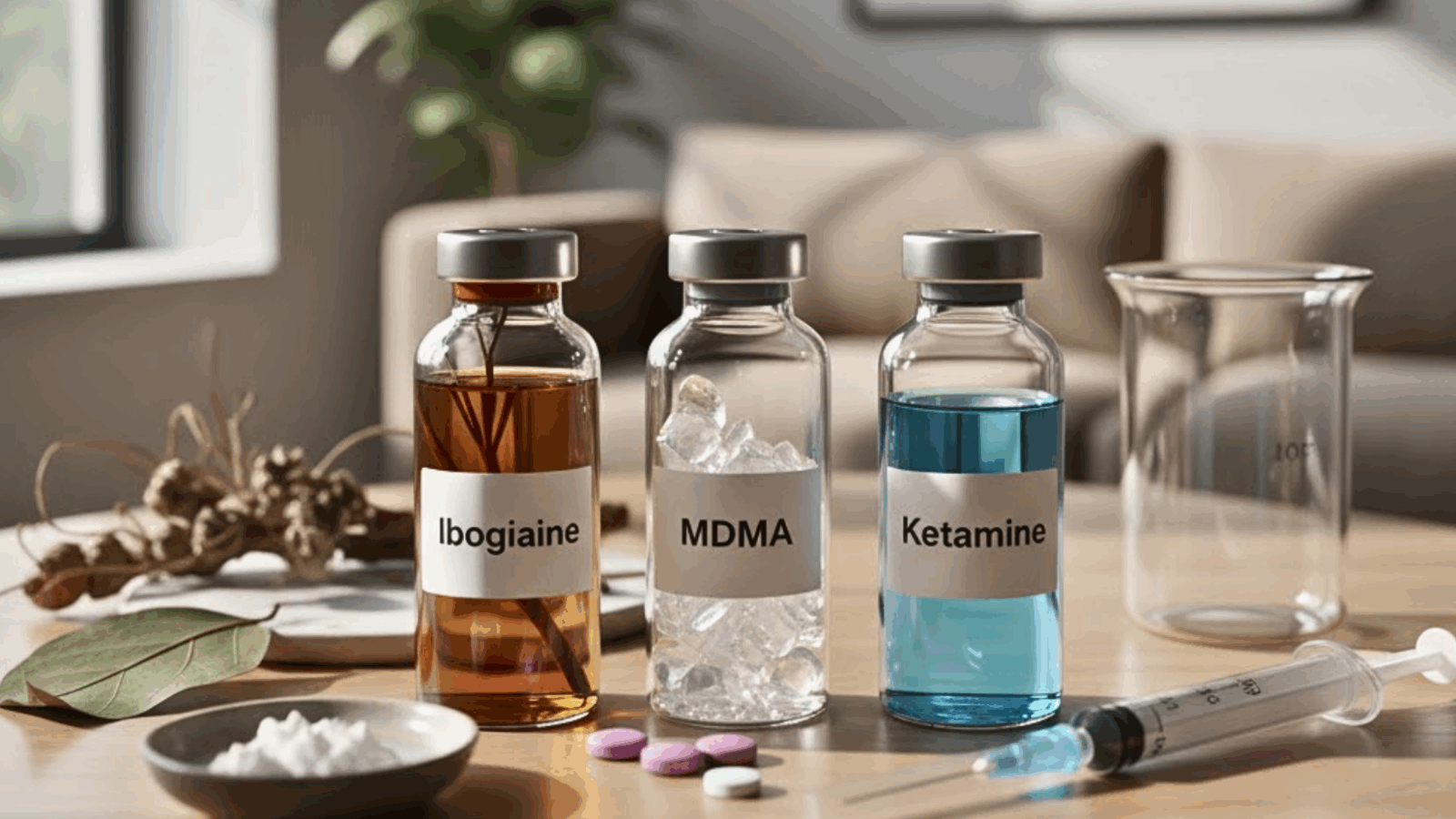
- The Basics: What Each Drug Does in Ketamine vs MDMA and Ibogaine Therapy
- What Is Ketamine Therapy?
- Ketamine vs MDMA: Benefits and Applications of Each Therapy
- Ibogaine Therapy: A Unique Approach Compared to Ketamine and MDMA
- Ketamine vs MDMA: Comparing Effects, Safety, and Accessibility
- Common Potential Side Effects of Ketamine, MDMA and Ibogaine Therapy
- Frequently Asked Questions
The world of psychedelic therapy isn’t just for hippies or Silicon Valley biohackers anymore. With the growing interest in understanding ketamine vs MDMA, clinics across the U.S. are quietly offering treatments with ketamine, while MDMA and ibogaine are inching closer to the mainstream.
Each has its own vibe, science, and legal baggage. Depending on where you live, one might be easier to access than the others.
Ketamine therapy is the most accessible of the three right now. It’s FDA-approved as esketamine nasal spray for treatment-resistant depression, and plenty of clinics legally use ketamine infusions under medical supervision.
MDMA and ibogaine, though, are still in the “experimental but promising” category.
The Basics: What Each Drug Does in Ketamine vs MDMA and Ibogaine Therapy
| Substance | Type | Main Brain Targets | Legal Status (U.S.) | Common Use in Therapy |
| Ketamine | Dissociative anesthetic | NMDA receptors | Legal for medical use | Depression, anxiety, chronic pain |
| MDMA | Empathogen / stimulant | Serotonin & adrenergic receptors | Illegal (Schedule I) | PTSD (clinical trials) |
| Ibogaine | Psychoactive alkaloid (from African shrub) | Serotonin & kappa-opioid receptors | Illegal in U.S. | Addiction treatment (outside U.S.) |
Ketamine was first synthesized in the 1950s as an anesthetic. MDMA came earlier, in 1912, and was once used in psychotherapy before getting banned in the 1980s.
Ibogaine, the wild card here, comes from the Tabernanthe iboga plant. It’s been used in West African rituals long before Western science noticed its potential for addiction treatment.
What Is Ketamine Therapy?
Ketamine therapy has exploded across the U.S. because doctors can legally prescribe it. It’s given through IV, injection, or nasal spray, and some people notice mood improvements within an hour.
Researchers think ketamine works by influencing NMDA receptors, which help regulate memory and mood. The drug can cause a short “out-of-body” experience, but many users describe it as calming instead of chaotic.
Clinics often pair ketamine treatment with talk therapy to help patients process emotions that surface during the session. Some studies suggest ketamine can also help with bipolar disorder, PTSD, and even substance use disorders.
A few trials hint it might reduce cravings for alcohol or opioids. Still, it’s not a miracle—side effects like dizziness, nausea, or mild confusion can happen.
And yes, it’s the same stuff that’s been used as a “horse tranquilizer.” Fun fact: Ketamine is still used in veterinary medicine, but in humans, it’s helping people crawl out of depressive black holes when nothing else works.
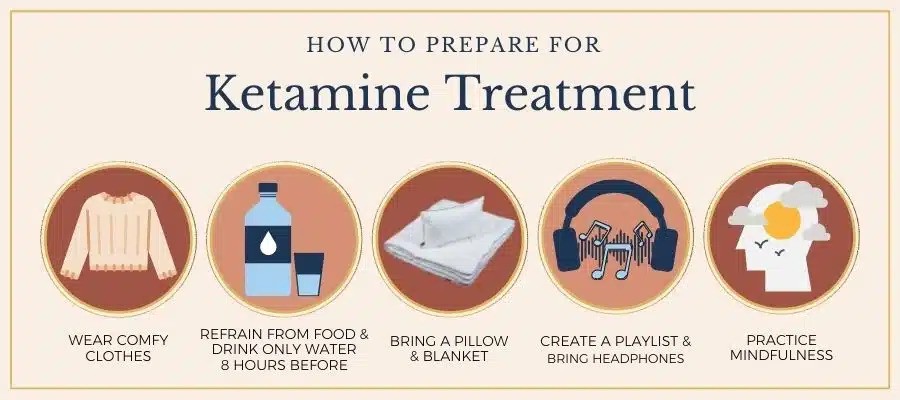
What Does Ketamine Therapy Cost Nearby?
If you are looking for how much is ketamine therapy near me, then you need to know that prices vary depending on location, provider, and how the drug is given. Here’s a quick breakdown:
| Type of Treatment | Average Cost per Session | Notes |
| IV Infusion | $400–$800 | Most common and typically done in clinics |
| Intramuscular Injection | $300–$600 | Slightly cheaper, shorter sessions |
| Oral/Sublingual Dose | $75–$200 | Often used for maintenance or at-home care |
Most insurance plans don’t cover it yet, so patients usually pay out of pocket. Some clinics offer package deals or financing plans to make it more affordable.
For those comparing options like ibogaine or MDMA therapy, ketamine tends to be more accessible and legally available in medical settings. It’s not a magic fix, but for many, it’s the first thing that’s actually moved the needle on their mental health.
Ketamine vs MDMA: Benefits and Applications of Each Therapy
MDMA, better known as Ecstasy or Molly, isn’t just for raves anymore. In clinical trials, it’s showing serious potential for helping people with post-traumatic stress disorder (PTSD).
The Multidisciplinary Association for Psychedelic Studies (MAPS) has been running large-scale studies, and early results have been impressive enough that the FDA gave it Breakthrough Therapy status. Unlike ketamine, MDMA doesn’t knock people into a dissociative state.
Instead, it floods the brain with serotonin, dopamine, and norepinephrine, which can make people feel more open, connected, and safe. That emotional openness is what makes it useful in therapy—patients can revisit trauma without being overwhelmed by fear.
In trials, MDMA-assisted therapy involves several sessions with trained professionals. Patients take the drug in a controlled setting, talk through traumatic experiences, and then return for integration therapy.
The vibe is more “deep emotional work” than “club night in Ibiza.” MDMA isn’t legal yet for therapy, but many experts think that could change soon.
Ibogaine Therapy: A Unique Approach Compared to Ketamine and MDMA
Ibogaine sits in a stranger category. It’s not legal in the U.S., but clinics in Mexico, Costa Rica, and parts of Europe use it for addiction recovery.
The compound comes from the iboga plant, used in traditional African ceremonies for spiritual healing and initiation. What makes ibogaine unique is how it interacts with the brain’s serotonin and opioid receptors, potentially resetting pathways linked to addiction.
Many people who’ve gone through ibogaine treatment report reduced withdrawal symptoms and cravings, especially for opioids. However, it’s not risk-free—the experience can be physically intense and emotionally raw, and it must be supervised by medical professionals due to potential heart complications.
Some U.S. aftercare centers now combine ibogaine recovery programs with ketamine-assisted therapy once patients return home. The idea is that ketamine can help stabilize mood and reinforce the progress made during the ibogaine experience. You can search ibogaine therapy near me and will find a lot of centers for ibogaine recovery programs near you.
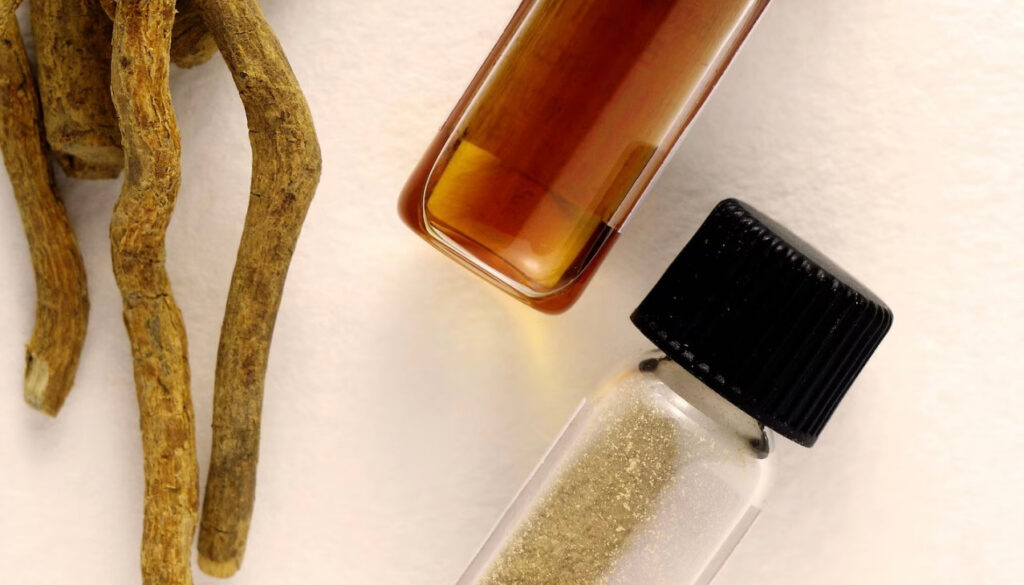
Ketamine vs MDMA vs Ibogaine: Comparing the Experience
Each of these therapies hits differently—literally and emotionally.
- Ketamine feels dissociative. People often describe it as floating or stepping outside themselves.
- MDMA feels empathic. It opens emotional floodgates, often bringing warmth and connection.
- Ibogaine feels intense. It’s long, introspective, and can bring vivid, dreamlike visions.
| Effect | Ketamine | MDMA | Ibogaine |
| Duration | 45–90 minutes | 4–6 hours | 12–24 hours |
| Emotional tone | Detached, calm | Connected, euphoric | Deep, reflective |
| Physical effects | Light sedation | Increased heart rate | Fatigue, nausea |
| Integration need | Moderate | High | Very high |
Ketamine’s effects fade quickly. MDMA and ibogaine require more recovery time, which is why ketamine clinics can operate safely in the U.S. while ibogaine centers remain offshore.
Finding Therapy Near You
If you’re searching for ketamine therapy near me, it’s the easiest option to find. Dozens of clinics now operate in major cities like Austin, Miami, and Los Angeles.
Many even offer virtual consultations or at-home nasal spray options under doctor supervision. MDMA therapy near me is still limited to research settings, but some therapists are preparing for legalization by completing MAPS training.
Once approved, expect specialized centers to pop up fast—especially in states already friendly to alternative medicine. Ibogaine treatment, for now, means traveling abroad.
Some people head to licensed clinics in Mexico that offer full medical supervision and post-treatment integration. It’s not cheap, but for those battling severe addiction, it’s a lifeline worth exploring.
Ketamine vs MDMA: Comparing Effects, Safety, and Accessibility
Let’s be real—psychedelic therapy isn’t your average spa day. Ibogaine, ketamine, and MDMA all hit the brain differently, and the experience can range from “wow, I found myself” to “wow, that was intense.”
Ibogaine tends to go deep—think emotional excavation meets chemical detox. It’s often used for addiction treatment, but it’s not legal in the U.S., so most people travel to Mexico or Canada for it.
Ketamine is the more accessible rebel. Clinics offering ketamine infusions or nasal sprays are popping up everywhere, usually marketed for depression or anxiety.
MDMA therapy (still in clinical trials) focuses on trauma healing, especially for PTSD. These sessions happen under strict medical supervision.
| Therapy Type | Main Use | Legal Status (U.S.) | Typical Cost | Setting |
| Ibogaine | Addiction recovery | Illegal | $5,000–$10,000+ (abroad) | Retreat-style clinics |
| Ketamine | Depression, anxiety | Legal (medical use) | $400–$800 per session | Outpatient clinics |
| MDMA | PTSD, trauma | Clinical trials only | TBD (expected to be high) | Controlled therapy settings |
Safety-wise, ketamine wins for accessibility and regulation. Ibogaine can cause heart issues if people aren’t screened properly, and MDMA therapy needs trained professionals to monitor dosage and emotional response.
Each option has its own vibe: ibogaine’s the underground detox warrior, ketamine’s the legal mood fixer, and MDMA’s the emotional deep dive waiting for FDA approval. The right choice really depends on what someone’s chasing—clarity, calm, or closure.
Common Potential Side Effects of Ketamine, MDMA and Ibogaine Therapy
Ibogaine, ketamine, and MDMA therapies can shake things up in more ways than one. These treatments might sound like a psychedelic spa day, but the body doesn’t always vibe with them perfectly.
Ketamine vs MDMA: Short-term effects often include:
- Nausea or vomiting — not exactly the trip anyone signs up for.
- Dizziness and muscle weakness — that “walk straight” challenge gets real.
- Hallucinations or vivid visuals — some find them enlightening, others find them unsettling.
- Irregular heartbeat — a reminder that this stuff isn’t a casual weekend experiment.
After-effects can linger for a day or two, especially with ibogaine.
People sometimes report feeling drained or emotionally flat — a “gray day,” as users call it.
| Substance | Common Reactions | Medical Supervision Needed |
| Ibogaine | Nausea, ataxia, hallucinations, fatigue | Yes |
| Ketamine | Dissociation, blurred vision, confusion | Yes |
| MDMA | Jaw tension, sweating, anxiety, dehydration | Yes |
These treatments can be powerful tools when done right. But without proper monitoring, things can go sideways fast.
If you’re chasing healing through psychedelics, do it under legit medical supervision. Please, not in someone’s basement with a lava lamp. If you’re exploring plant-based treatments, you may also want to read our breakdown of THC vs. THCA explained.
Frequently Asked Questions
Not exactly — ketamine therapy doesn’t make you “high” in the recreational sense, but it can cause a brief dissociative or “out-of-body” experience. During treatment, people often describe a calm, floaty sensation or a feeling of detachment from their body and surroundings.
MDMA has shown powerful therapeutic benefits, especially for mental health conditions like post-traumatic stress disorder (PTSD). In controlled therapy settings, MDMA increases feelings of empathy, trust, and emotional openness by boosting serotonin, dopamine, and oxytocin levels in the brain.
MDMA therapy combines guided psychotherapy with carefully controlled doses of MDMA (often known as Ecstasy or Molly). Sessions take place under the supervision of trained therapists who help patients process emotional trauma, fear, or depression while the drug is active. The therapy usually involves preparation sessions, the MDMA-assisted experience, and follow-up integration sessions.
MDMA is illegal in most countries, including the U.S., where it’s classified as a Schedule I substance. However, Australia has legalized prescription MDMA therapy for PTSD, while countries like Portugal, Switzerland, and Canada permit limited clinical or compassionate use.
Ibogaine treatment is primarily used for addiction recovery, especially for opioid, alcohol, and stimulant dependence. Derived from the Tabernanthe iboga plant of West Africa, ibogaine interacts with serotonin and opioid receptors in the brain, helping to reset neural pathways linked to cravings and withdrawal.
Ibogaine’s effects on the brain can begin within hours of treatment. During the 12–24-hour psychedelic experience, it promotes neuroplasticity — essentially helping the brain form new neural connections. Many users describe a rapid “reset” feeling, with reduced cravings and emotional clarity emerging within one or two days.