

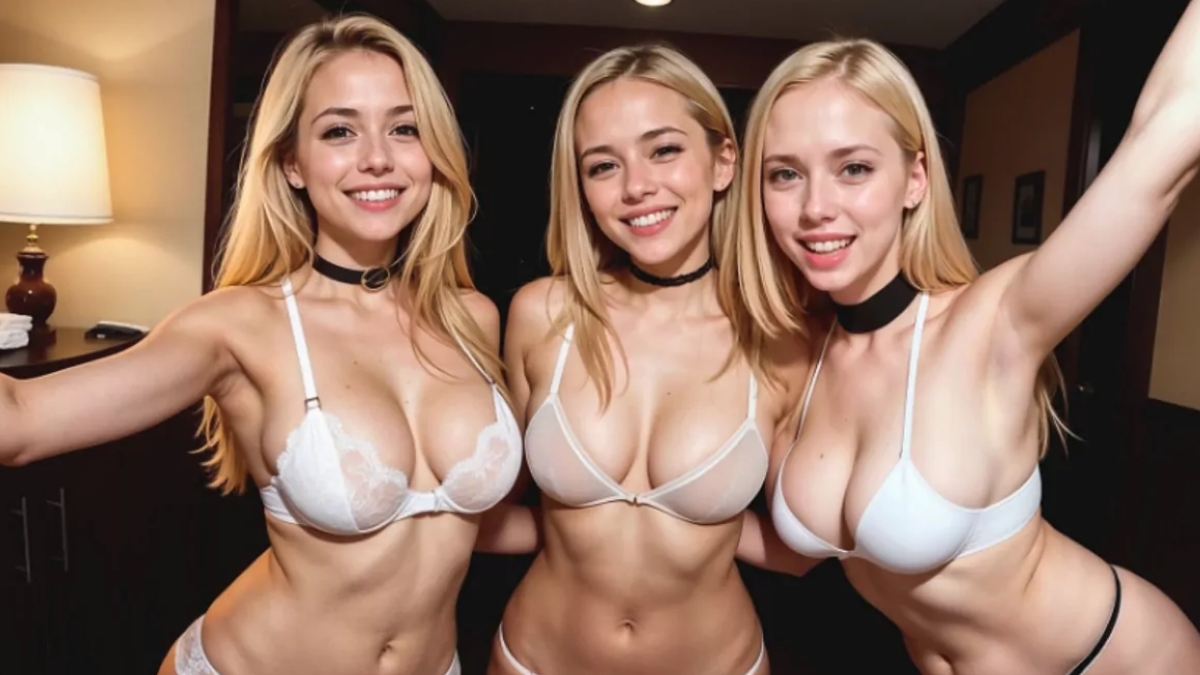
AI-generated influencers earned real money from real subscribers this year — and the humans they’re replacing didn’t get a say. The rise of the AI OnlyFans Creator is a prime example of how this technology is changing the influencer landscape. The Verge’s June 7 investigation pegged the virtual influencer market at $12 billion in 2026, with projections hitting $60 billion by 2030. Not a hypothetical future. It’s happening on every platform you scroll right now.
As of June 9, a new federal disclosure law requires brands using AI-generated humans in ads to label them across TikTok, Meta, Google, YouTube, and Instagram.
What Exactly Is the AI OnlyFans Creator Threat?
AI-generated personas are now nearly indistinguishable from real influencers on social media, according to The Verge’s Robert Hart. These aren’t obvious CGI avatars anymore. They’re photorealistic digital humans with curated backstories, consistent posting schedules, and — critically — monetization strategies that directly compete with human creators for subscriber dollars.
Emily Pellegrini is probably the most recognized example. Created by a former OnlyFans manager who goes by Professor EP, Pellegrini amassed hundreds of thousands of followers. Professional athletes messaged her. They thought she was real.
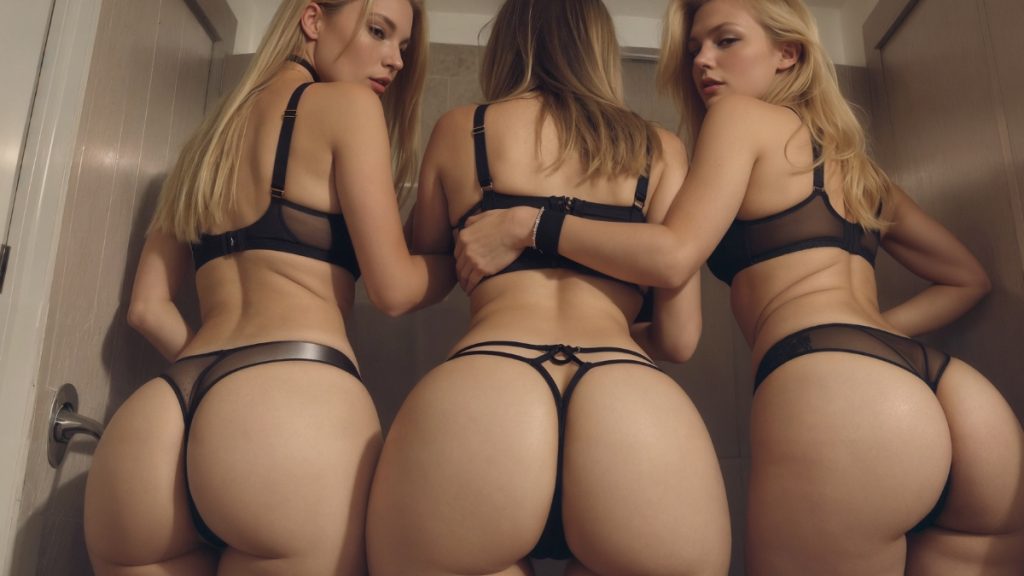
The playbook she established has been replicated thousands of times.
Wired separately reported on a booming “AI pimping” industry — operations that steal real creators’ likenesses, run them through generative AI tools, and monetize the output through fake accounts.
How Does the New AI Disclosure Law Change Things?
Starting June 9, 2026, brands running ads with AI-generated humans must disclose that fact across TikTok, Meta, Google, YouTube, and Instagram.
But the gap that matters: the regulation targets paid advertisements, not organic posts or creator accounts. An AI persona posting daily content and linking to a subscription page doesn’t fall under the disclosure requirement. Platform labeling rules exist — YouTube and TikTok both have AI content tags — but they apply to individual posts, not accounts themselves.
So an AI persona can exist in a permanent gray area. Label on every post. But the account bio? Still reads like a real person’s.
Why Are Real OnlyFans Creators Uniquely Vulnerable?
The economics are straightforward. A human creator invests time, equipment, and personal risk into every piece of content. An AI operator generates comparable output in minutes, at near-zero marginal cost, and can run dozens of personas simultaneously.
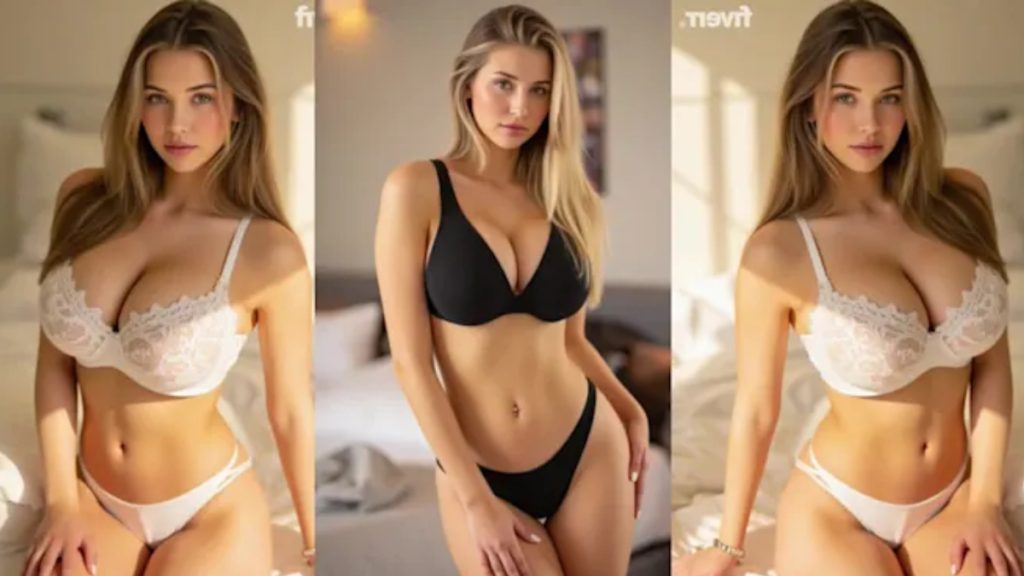
Key numbers:
- $12 billion — current virtual influencer market valuation (2026)
- $60 billion — projected market by 2030
- Zero — the number of ID verifications required for most AI personas on Instagram or TikTok
- Thousands — estimated AI-generated “creator” accounts currently active across platforms
Courses teaching people to build AI influencer accounts now charge $500-$2,000, promising passive income — a structure that shares characteristics with pyramid schemes.
Sophie Rain, one of OnlyFans’ highest earners, has spoken out about AI deepfakes targeting her likeness — a problem that only accelerates as the tools improve.
What Defenses Do Creators and Platforms Have?
OnlyFans holds one significant advantage: mandatory ID verification. Every creator must submit government-issued identification before posting. AI personas can’t spin up an OnlyFans account the way they can on Instagram or TikTok.
That’s a competitive moat. And it suddenly looks more valuable than it did two years ago.
A growing number of mainstream celebrities are also joining the platform, showing how quickly the creator economy is shifting. For example, several well-known Hollywood actresses have recently moved into subscription-based content creation, including Shannon Elizabeth, Jaime Pressly, and Tricia Helfer, signaling how the trend is no longer limited to digital influencers alone.
Meanwhile, AI influencer talent agencies and beauty pageants for AI personas have emerged. The infrastructure is formalizing fast. If you want to find verified, real OnlyFans creators, platforms with ID requirements are the most reliable filter.
ViceSnob’s Take
Look, the AI influencer conversation has been simmering for two years, but the June 2026 numbers make the scale impossible to ignore. Twelve billion dollars is roughly what the entire podcasting industry generated in ad revenue last year. That’s the market now competing with human creators for attention, brand deals, and subscription revenue.
The disclosure law is a step — but it’s aimed at advertisers, not at operators building fake personas. Until platforms require account-level AI disclosure, the gray area keeps expanding.
Here’s the part most coverage misses: OnlyFans’ verification system, which critics once dismissed as bureaucratic friction, is now its strongest differentiator. When you can’t tell whether the influencer in your feed is a real person, a platform that proves its creators are human has a product advantage that didn’t exist three years ago.
The ViceSnob OnlyFans Profiles is built on the same principle — verified, real human creators. As AI floods open platforms, that distinction matters more, not less.
If you’re a creator worried about AI competition? The best defense is the one you already have. Be verifiably, provably real.
Frequently Asked Questions
A: Not directly. OnlyFans requires government-issued ID verification for all creators, which prevents AI-only personas from opening accounts. However, AI-generated content can appear on social platforms that funnel traffic to other monetization channels.
A: As of June 9, 2026, brands using AI-generated humans in paid advertisements must disclose that fact across TikTok, Meta, Google, YouTube, and Instagram. The law does not currently cover organic posts or non-sponsored creator accounts.
A: The virtual influencer market is estimated at $12 billion in 2026 and is projected to exceed $60 billion by 2030, according to The Verge’s reporting.
A: Look for platforms with mandatory ID verification, like OnlyFans. On social media, check for AI disclosure labels, but account-level verification is not yet required on most platforms.
A: A term describing operations that steal real creators’ likenesses, process them through AI tools, and monetize the output through fake accounts without the original creator’s consent.