

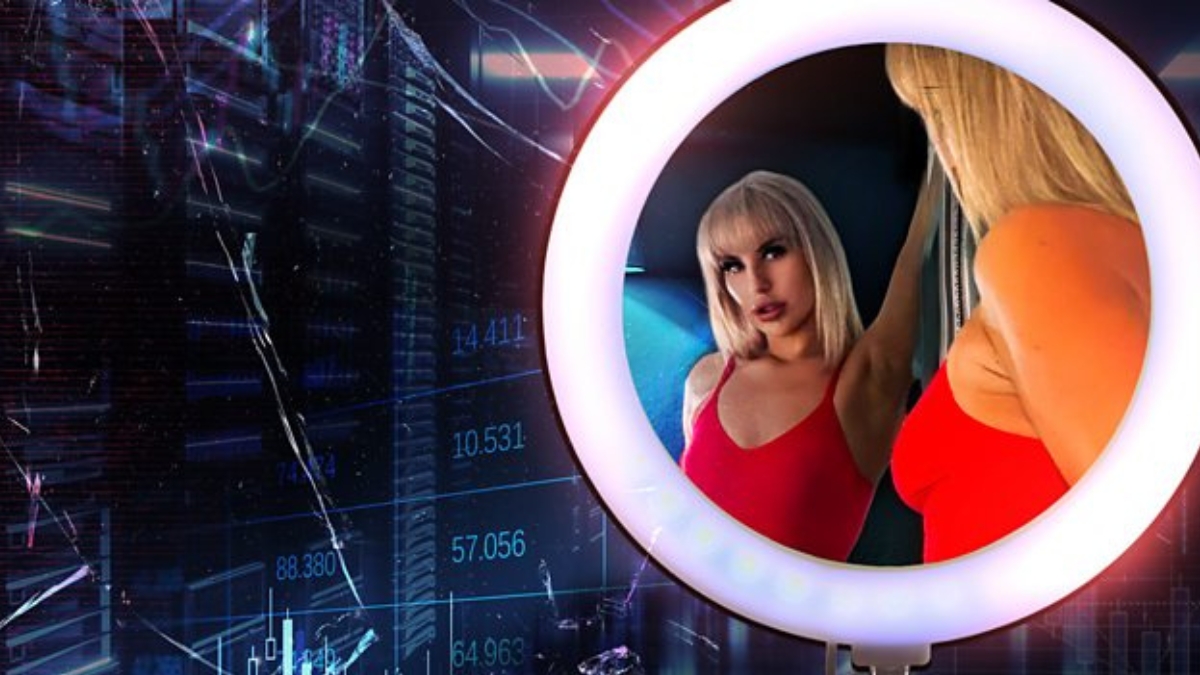
A new BBC Three documentary airing today reveals that OnlyFans management agencies are taking between 50% and 70% of creator earnings. These agencies use threats, password lockouts, and physical violence to keep creators trapped. “OnlyFans: Inside the Machine,” produced by investigative reporter Amber Haque, surveyed 60 UK-based OnlyFans creators. It found that 83% felt pressured to produce increasingly explicit content by their agencies.
Look, the OnlyFans agency model has been a gray area for years. This documentary finally puts numbers to what a lot of creators already knew.
What Did the BBC Documentary Find About OnlyFans Agencies?
BBC Three’s investigation uncovered a systematic pattern of exploitation across UK-based OnlyFans management (OFM) agencies. Amber Haque went undercover, infiltrating Telegram groups where agency operators openly discuss tactics for controlling creators and maximizing revenue extraction.
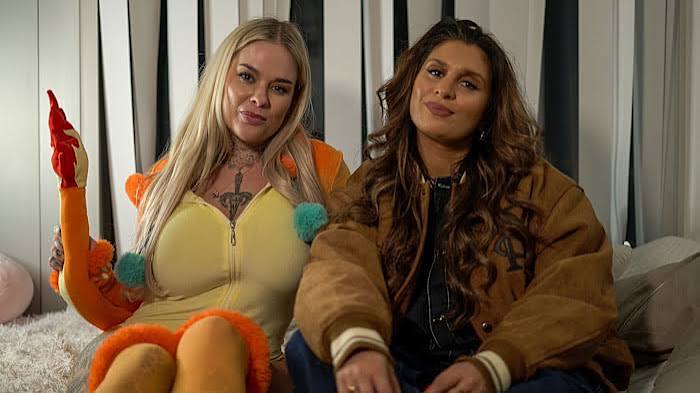
The numbers from the 60-creator survey are stark:
- 83% felt pressured to create more explicit content than they originally agreed to
- 60% reported being threatened when attempting to leave their agency
- 50-70% of earnings taken by OFM agencies (compared to OnlyFans’ own 20% platform fee)
One Telegram group called “OFM Empire” has 24,000 members. Inside it, operators share what they call the “pimp method.” This is a playbook for seizing control of creator accounts, changing passwords, and locking out the actual creators from their own pages.
The BBC’s own test proved how easily this happens. Haque’s team set up a female creator accounts. However, they discovered that subscription payments were routed to a male colleague’s bank account. This demonstrates how agencies can siphon funds without the creator’s direct knowledge.
How Are Creators Being Threatened by OnlyFans Agencies?
Rebecca, a creator from south Wales featured in the documentary, described being physically attacked after attempting to leave her agency. Masked men showed up at her home. She was strangled.
That’s not a contractual dispute. That’s assault.
Gia Clarke, a top 1% OnlyFans earner since 2016 who makes approximately £5,000 per month, told the BBC she now receives more messages from OFM agencies trying to recruit her than from actual fans. Lily Phillips, another prominent creator, put it bluntly: “Everyone wants a piece of the pie, especially men.”
Manchester has emerged as the UK “epicentre” of this shadow industry. The documentary shows entire floors of luxury tower blocks converted into content production rooms. Essentially, these are agency-run studios where creators work under controlled conditions.
What Have Regulators and OnlyFans Said?
UK anti-slavery commissioner Eleanor Lyons called the findings alarming and stated directly that “this is something government needs to look at.” Ofcom, the UK’s communications regulator, described the testimony as “deeply concerning.”
Legal experts interviewed in the documentary suggested OnlyFans could face negligence claims if it fails to address the connection between its platform and third-party management agencies. The core legal question is whether OnlyFans has a duty of care when agencies exploit creators using its infrastructure.
OnlyFans responded with a statement claiming it takes safety “incredibly seriously” but emphasized it is not directly connected to third-party managers. That disclaimer has been the company’s consistent position. Creators are independent contractors. What happens between them and their managers is not OnlyFans’ responsibility.
For a platform reporting $684 million in pre-tax profits with 4.6 million creators worldwide, that arm’s-length stance is getting harder to defend.
Why Does the OnlyFans Agency Model Exist in the First Place?
The OnlyFans agency industry grew because running a successful account requires far more than content creation. Messaging subscribers, managing promotions, handling social media marketing, and negotiating collaborations are all part of the operational workload. This pushes many creators toward outside help. For newer creators unfamiliar with OnlyFans’ features and best practices, the pitch from an agency sounds appealing. You hand over the business side and focus on creating.
Legitimate management does exist. Some agencies operate transparently, take reasonable commissions (typically 10-20%), and provide real value through marketing expertise and subscriber growth strategies.
But the BBC investigation reveals a parallel economy of predatory operators who target newer creators. Particularly, these operators focus on young women with small followings who don’t yet understand their earning potential. A creator just starting out and unsure how to build an audience is exactly the person most vulnerable to signing a contract. This contract hands over password access and 70% of revenue.
The ViceSnob beginner’s guide to OnlyFans covers what creators should know before signing with anyone. The short version: never give anyone your login credentials. Ever.
ViceSnob’s Take
This documentary is going to be uncomfortable for OnlyFans corporate — and it should be. The platform’s standard response of “we’re not connected to third-party managers” is technically accurate and functionally meaningless. OnlyFans built the infrastructure. OnlyFans profits from the transactions. When 60% of surveyed creators report threats for trying to leave agencies that operate exclusively on your platform, the “not our problem” position isn’t just inadequate. Instead, it’s a liability waiting to happen.
Here’s what I think actually matters going forward: the distinction between legitimate management and exploitation needs to be formalized. Right now, there is zero vetting, zero accreditation, and zero accountability for anyone calling themselves an OnlyFans manager. A 24,000-member Telegram group openly teaching the “pimp method” exists because there’s no barrier to entry and no enforcement mechanism.
If OnlyFans won’t create a verified manager program, regulators eventually will — and the platform won’t like the version government writes. UK anti-slavery legislation being invoked in conversations about a content subscription platform should be a five-alarm signal in OnlyFans’ legal department.
The documentary airs on BBC Three today. Whether it leads to actual policy changes or becomes another news cycle that fades depends largely on whether OnlyFans treats this as a PR problem or a structural one. Based on past behavior, I’d bet on PR. I’d also bet they’ll eventually be forced into structural changes anyway. However, it’ll just cost them more by then.
Frequently Asked Questions
A: An OnlyFans management (OFM) agency is a third-party company or individual that manages a creator’s account, handling tasks like subscriber messaging, marketing, and content scheduling. Legitimate agencies take 10-20% commission, but the BBC documentary found exploitative agencies taking 50-70%.
A: According to the BBC Three documentary, exploitative OFM agencies take between 50% and 70% of a creator’s earnings. Combined with OnlyFans’ own 20% platform fee, some creators retain as little as 10-30% of their gross revenue.
A: Legitimate management agencies exist and can provide real value, but the BBC investigation revealed widespread exploitation. Creators should never hand over account passwords, should insist on transparent contracts with reasonable commission rates (10-20%), and should verify any agency’s reputation before signing.
A: OnlyFans stated it takes safety “incredibly seriously” but maintains it is not connected to third-party management agencies. The platform’s position is that creators are independent contractors responsible for their own business relationships.
A: The BBC Three documentary airs on June 15, 2026, and will be available on BBC iPlayer for UK viewers.






Leave a comment